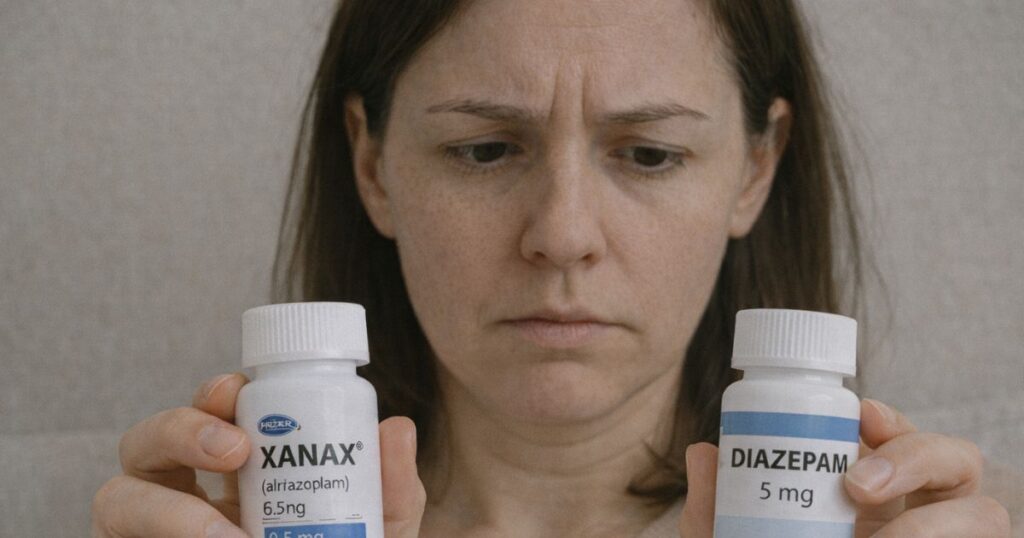
The Top 5 Xanax Tablets: Efficacy, Dosage, and Side Effects Explained
Xanax, the brand name for alprazolam, is a prescription benzodiazepine used primarily for panic disorder and short-term management of severe anxiety. It is available in several tablet strengths, each designed to meet different clinical needs. Understanding how these tablets differ can help patients use Xanax more safely and effectively under medical supervision.
This guide explains the most commonly prescribed Xanax tablet strengths, how they are typically used, their relative effectiveness, and the side effects consumers should be aware of.
How Xanax Tablets Work
All Xanax tablets contain the same active ingredient—alprazolam. They work by enhancing GABA activity in the brain, which slows excessive nerve signalling and produces a calming effect.
- Reduces acute anxiety and panic symptoms
- Relaxes physical tension
- Acts quickly compared with many other anxiety treatments
The main difference between Xanax tablets is dosage strength, not how the medication works.
The Top 5 Common Xanax Tablet Strengths
Important: Dosage selection is always determined by a licensed clinician. The information below is for educational purposes only.
Xanax 0.25 mg Tablets
The 0.25 mg tablet is often the starting dose for new patients or those sensitive to benzodiazepines.
- Efficacy: Mild to moderate anxiety relief
- Typical use: Initial treatment, situational anxiety
- Benefits: Lower risk of sedation and side effects
This dose allows clinicians to assess tolerance before making any adjustments.
Xanax 0.5 mg Tablets
The 0.5 mg tablet is one of the most commonly prescribed strengths.
- Efficacy: Effective for moderate anxiety and panic symptoms
- Typical use: Panic disorder, short-term anxiety flare-ups
- Benefits: Balanced relief with manageable sedation for many patients
Many patients find this dose provides noticeable calm without excessive drowsiness.
Xanax 1 mg Tablets
The 1 mg tablet is considered a higher-strength option and is usually reserved for patients who have already developed tolerance to lower doses.
- Efficacy: Strong anxiety and panic control
- Typical use: Severe panic disorder under close supervision
- Risks: Increased sedation, dependence risk
This dose requires careful monitoring due to its potency.
Xanax 2 mg Tablets
Often recognisable by their bar shape, 2 mg tablets are the highest immediate-release strength.
- Efficacy: Very strong calming effect
- Typical use: Limited, specialist-supervised cases
- Risks: High risk of sedation, misuse, and dependence
This strength is rarely appropriate for new patients and carries significant safety considerations.
Xanax Extended-Release (XR) Tablets
Extended-release Xanax tablets are designed to release alprazolam slowly over time.
- Efficacy: More stable symptom control throughout the day
- Typical use: Panic disorder requiring consistent coverage
- Benefits: Reduced peaks and troughs compared with immediate-release tablets
XR tablets are taken once daily and may reduce rebound anxiety between doses.
Comparing Efficacy Across Xanax Tablets
All Xanax tablets are effective when used correctly—the difference lies in intensity and duration:
- Lower doses are suitable for mild to moderate symptoms
- Higher doses provide stronger relief but increase risks
- Extended-release tablets aim for smoother symptom control
Clinicians generally aim to use the lowest effective dose for the shortest duration.
Common Side Effects of Xanax
Side effects are dose-dependent and more likely with higher strengths:
- Drowsiness or fatigue
- Dizziness or light-headedness
- Memory or concentration problems
- Slowed reaction time
- Impaired coordination
These effects may interfere with driving, work, or daily activities.
Serious Risks to Be Aware Of
All Xanax tablets carry important safety warnings:
- Dependence: Risk increases with dose and duration
- Withdrawal: Abrupt stopping can cause rebound anxiety and agitation
- Interactions: Dangerous when combined with alcohol or opioids
Any changes in dose should always be discussed with a healthcare professional.
Safe Use Tips for Consumers
- Take Xanax exactly as prescribed
- Never increase the dose on your own
- Avoid alcohol and other sedatives
- Store medication securely
- Discuss tapering plans before stopping
Frequently Asked Questions
Is a higher Xanax dose more effective?
Not always. Higher doses increase side effects and dependence risk without guaranteed added benefit.
Which Xanax tablet is safest?
Lower-dose tablets are generally safer and are preferred when clinically appropriate.
What’s the difference between immediate-release and XR?
Immediate-release works quickly but wears off faster; XR provides steadier, longer-lasting effects.
Can I switch between tablet strengths?
Only under medical supervision to avoid withdrawal or overdose risks.
Is Xanax suitable for long-term anxiety?
Long-term use is generally discouraged due to dependence and tolerance risks.
Final Thoughts
Understanding the different Xanax tablets helps patients make informed, safer decisions about anxiety treatment. While Xanax can be highly effective for short-term relief, the choice of tablet strength must always balance efficacy with safety.
If you have questions about your Xanax dose or feel it is no longer working as intended, consult a licensed healthcare professional before making any changes.