Xanax for Sleep: Understanding Its Effects and Risks
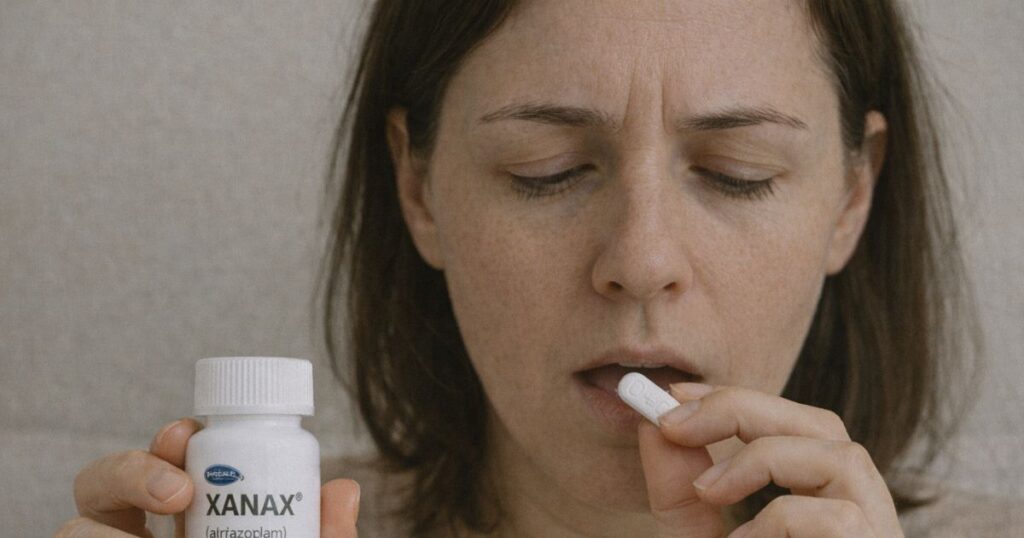
Xanax, the brand name for alprazolam, is a prescription-only benzodiazepine most commonly used to treat anxiety and panic disorders. Because it produces calming and sedative effects, some people consider using Xanax for sleep, particularly when insomnia is linked to anxiety or nighttime panic. While it may help some individuals fall asleep, Xanax is not designed as a primary sleep medication and carries important risks that should be fully understood.
This article explains how Xanax affects sleep, the potential short-term benefits, and the key risks consumers should consider before using it for insomnia.
What Is Xanax and How Does It Work?
Xanax works by increasing the activity of GABA, a neurotransmitter that slows down brain activity. This results in reduced anxiety, muscle relaxation, and sedation.
- Primarily prescribed for anxiety and panic disorders
- Fast-acting compared to many other medications
- Relatively short duration of action
Because of its potency and fast onset, Xanax is classified as a controlled medicine and must be prescribed and monitored by a healthcare professional.
How Xanax Can Affect Sleep
Some individuals experience sleep improvement when anxiety is the main cause of their insomnia. By calming the nervous system, Xanax may reduce the mental and physical tension that prevents sleep.
- May help reduce racing thoughts at bedtime
- Can shorten the time it takes to fall asleep
- May ease panic-related awakenings in some cases
However, sedation does not always equal restorative sleep, and Xanax can alter natural sleep patterns.
Potential Benefits of Xanax for Sleep (Short-Term)
Rapid Calming Effect
One of the reasons Xanax is sometimes considered for sleep is its rapid onset, which can feel helpful during acute anxiety-driven insomnia.
Temporary Relief During High Stress
For short-term periods of intense stress, Xanax may offer temporary sleep support while longer-term treatments are introduced.
Improved Sleep Onset
Users who report benefit most often describe falling asleep more easily rather than staying asleep throughout the night.
The Risks of Using Xanax for Sleep
Despite short-term benefits, there are significant risks associated with using Xanax as a sleep aid.
Dependence and Tolerance
Xanax has a well-known risk of physical dependence, especially with repeated use.
- Tolerance can develop, reducing effectiveness
- Higher doses may be needed over time
- Stopping suddenly can cause withdrawal symptoms
This makes long-term or nightly use for sleep particularly risky.
Rebound Insomnia
Because Xanax is short-acting, some users experience:
- Night-time awakenings as the effects wear off
- Worsened sleep after stopping the medication
This rebound effect can create a cycle of reliance.
Next-Day Sedation and Cognitive Effects
Possible side effects include:
- Drowsiness or fatigue the next day
- Reduced concentration or memory
- Slower reaction times
These effects can interfere with work, driving, and daily activities.
Dangerous Interactions
Xanax should not be combined with:
- Alcohol
- Opioid pain medications
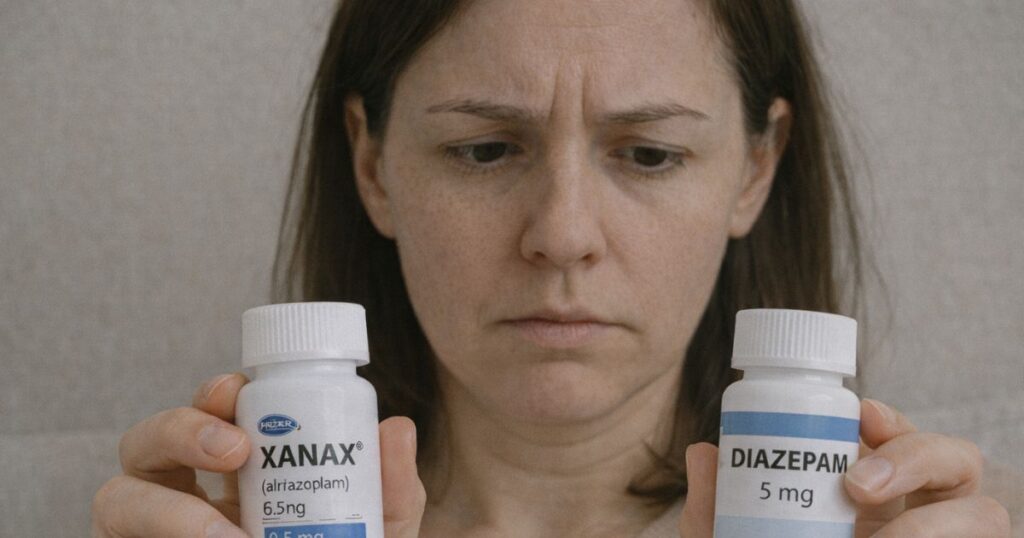
- Other sedatives or sleeping pills
These combinations significantly increase the risk of breathing problems and overdose.
Why Xanax Is Not a First-Line Sleep Treatment
Healthcare professionals generally avoid using Xanax as a primary treatment for insomnia because:
- It does not improve long-term sleep quality
- Dependence risk is higher than with many alternatives
- Sleep problems often return or worsen after discontinuation
Treatments designed specifically for insomnia or non-drug approaches are usually safer and more effective.
Safer Alternatives for Sleep Problems
Depending on the cause of insomnia, alternatives may include:
- Cognitive Behavioral Therapy for Insomnia (CBT-I)
- Improving sleep hygiene and routines
- Treating underlying anxiety with longer-term therapies
- Other prescription sleep medications when appropriate
These approaches aim to improve sleep without the risks associated with benzodiazepines.
Frequently Asked Questions
Is Xanax approved for sleep?
No. Xanax is approved for anxiety and panic disorders. Use for sleep is considered off-label.
Can Xanax be taken every night for sleep?
Regular nightly use is generally discouraged due to tolerance and dependence risks.
Does Xanax help you stay asleep?
It may help with falling asleep, but its short duration can lead to night-time awakenings.
Is Xanax addictive?
Yes. Xanax can cause physical dependence, particularly with repeated use.
What should I do if anxiety is affecting my sleep?
Speak with a healthcare professional. Treating anxiety directly often improves sleep more safely and effectively.
Final Thoughts
Xanax for sleep may offer short-term relief for anxiety-related insomnia, but it is not a long-term or first-choice solution. The risks of dependence, rebound insomnia, and next-day impairment mean it should only be used cautiously and under medical supervision.
If sleep problems persist, a healthcare professional can help identify safer and more sustainable treatment options tailored to your needs.