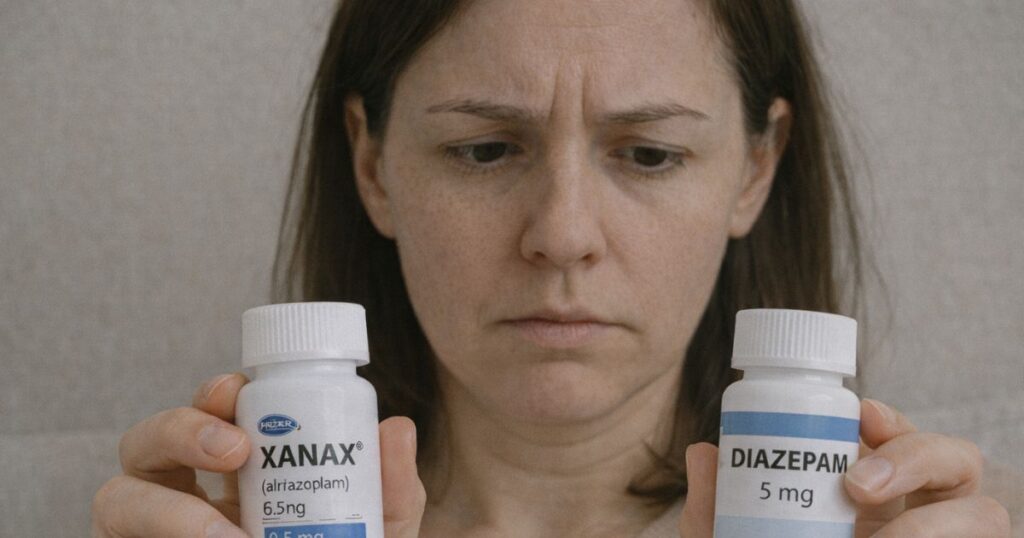
Xanax vs Diazepam: Insights into Dosage, Usage, and Long-term Effects
Xanax (alprazolam) and diazepam are both benzodiazepines commonly associated with the treatment of anxiety-related conditions. Although they belong to the same drug class and work in similar ways, they differ significantly in how they are dosed, how long they last, and how clinicians approach their long-term use.
This guide provides a clear, patient-focused comparison of Xanax vs diazepam, helping you understand their differences in dosage strategy, typical usage, and long-term safety considerations.
How Xanax and Diazepam Work
Both medications enhance the effect of GABA, a neurotransmitter that calms overactive brain activity. This leads to reduced anxiety, muscle relaxation, and sedation. The key difference lies not in how they work, but in how quickly and how long their effects last.
- Xanax: Fast onset, short duration
- Diazepam: Moderate onset, long duration
These pharmacological differences strongly influence dosing decisions and long-term treatment planning.
Dosage Principles: Xanax vs Diazepam
Important: Exact doses are always individualised by a clinician. The following reflects general clinical principles rather than personal medical advice.
Xanax Dosage Characteristics
- Often prescribed in smaller, more frequent doses
- Fast onset makes it suitable for acute panic episodes
- Short half-life can lead to noticeable “wearing off” between doses
- Extended-release formulations may be used to smooth symptom control
Because Xanax acts quickly and wears off faster, clinicians are cautious about dose escalation and frequent daily use.
Diazepam Dosage Characteristics
- Typically prescribed less frequently due to long half-life
- Provides steadier, longer-lasting symptom relief
- Often used in tapering plans for benzodiazepine withdrawal
- Lower dosing frequency may reduce rebound anxiety
Diazepam’s long duration means effects can accumulate, which requires careful monitoring.
Usage Differences in Clinical Practice
When Xanax Is Commonly Used
Clinicians may consider Xanax for:
- Panic disorder with sudden, intense attacks
- Acute anxiety episodes requiring rapid relief
- Short-term or situational anxiety
Its fast onset is its main advantage—but also a reason it carries higher misuse and dependence risk.
When Diazepam Is Commonly Used
Diazepam may be selected for:
- Severe anxiety with sustained symptoms
- Anxiety accompanied by muscle tension or spasms
- Short-term crisis management where longer coverage is needed
- Gradual benzodiazepine tapering under supervision
Because it lasts longer, diazepam is often perceived as “smoother” and less prone to rapid symptom rebound.
Short-Term Effects Compared
Both medications can reduce anxiety effectively in the short term, but patient experiences often differ:
- Xanax: Rapid calm, noticeable peak effect, faster offset
- Diazepam: Gradual calm, longer-lasting sedation, steadier effect
Some patients prefer Xanax’s quick relief, while others find diazepam’s sustained action more manageable.
Long-term Effects and Risks
Long-term use of any benzodiazepine is approached with caution. Both Xanax and diazepam carry similar core risks, but their profiles differ slightly.
Dependence and Tolerance
- Xanax: Higher risk due to fast onset and short duration
- Diazepam: Still carries risk, but longer action may reduce craving between doses
Tolerance can develop with both, meaning higher doses may be needed over time to achieve the same effect.
Withdrawal Considerations
Stopping either medication suddenly can cause withdrawal symptoms such as:
- Rebound anxiety
- Insomnia
- Restlessness or agitation
- Physical discomfort
Because of its long half-life, diazepam is often used to taper patients off shorter-acting benzodiazepines like Xanax.
Cognitive and Functional Effects
- Memory impairment
- Reduced concentration
- Slowed reaction time
- Increased fall risk, particularly in older adults
These risks increase with higher doses and prolonged use.
Safety and Interaction Risks
Both medications should never be combined with:
- Alcohol
- Opioids
- Other sedative medications
Such combinations significantly increase the risk of respiratory depression and medical emergencies.
Which Is Better for Long-Term Anxiety?
From a clinical perspective:
- Neither Xanax vs diazepam is considered a first-line long-term anxiety treatment.
- Both are generally reserved for short-term or situational use.
- Long-term anxiety is usually treated with therapy and non-benzodiazepine medications.
If benzodiazepines are used, clinicians aim for the lowest effective dose for the shortest possible duration.
Alternatives to Long-Term Benzodiazepine Use
- SSRIs or SNRIs
- Buspirone
- Cognitive Behavioural Therapy (CBT)
- Mindfulness and stress-management techniques
- Sleep and lifestyle optimisation
These approaches provide more sustainable anxiety control with fewer long-term risks.
Frequently Asked Questions
Is Xanax stronger than diazepam?
Xanax is more potent per milligram and acts faster, but “strength” depends on dose and clinical context.
Why does Xanax wear off faster?
It has a shorter half-life, meaning it leaves the body more quickly than diazepam.
Can diazepam be used to stop Xanax?
Yes, under medical supervision, diazepam is often used to taper off shorter-acting benzodiazepines.
Which has more withdrawal risk?
Both carry risk, but Xanax is often associated with more intense withdrawal if stopped abruptly.
Are either safe for daily long-term use?
Daily long-term use is generally discouraged for both due to dependence and cognitive risks.
Final Thoughts
Comparing Xanax vs diazepam highlights how medications within the same class can behave very differently. Xanax offers rapid relief but carries higher rebound and dependence risks, while diazepam provides steadier coverage with longer-lasting effects.
Choosing between them—and deciding whether either is appropriate—should always involve a licensed healthcare professional who can balance short-term benefits against long-term safety.